We sow the seeds, you grow the (open) home

Welcome to the August edition of the Open Home Foundation newsletter, the place to learn about the latest and greatest things for your smart home that improve its privacy, choice, and sustainability.
The Open Home newsletter is written by Paulus Schoutsen – President of the Open Home Foundation, and founder of Home Assistant. Was this email forwarded to you? Subscribe here!
If you’ve been around the Open Home Foundation for more than five minutes, you’ll know I love talking about community. I can’t help it! Working alongside all of you is just so much fun. Every week, someone takes our code and builds something that blows me away. That excitement is the reason we’re here – there’s no foundation without it.
We sow the seeds, you grow the (open) home
A case in point: a couple of months back, I told you about a new touch of Home Assistant magic: turning cheap microcontrollers into proxies, so your old infrared remotes and Bluetooth oddities could get a second life instead of a slot in landfill. I finished with a dare: go on, show us what you can resurrect.
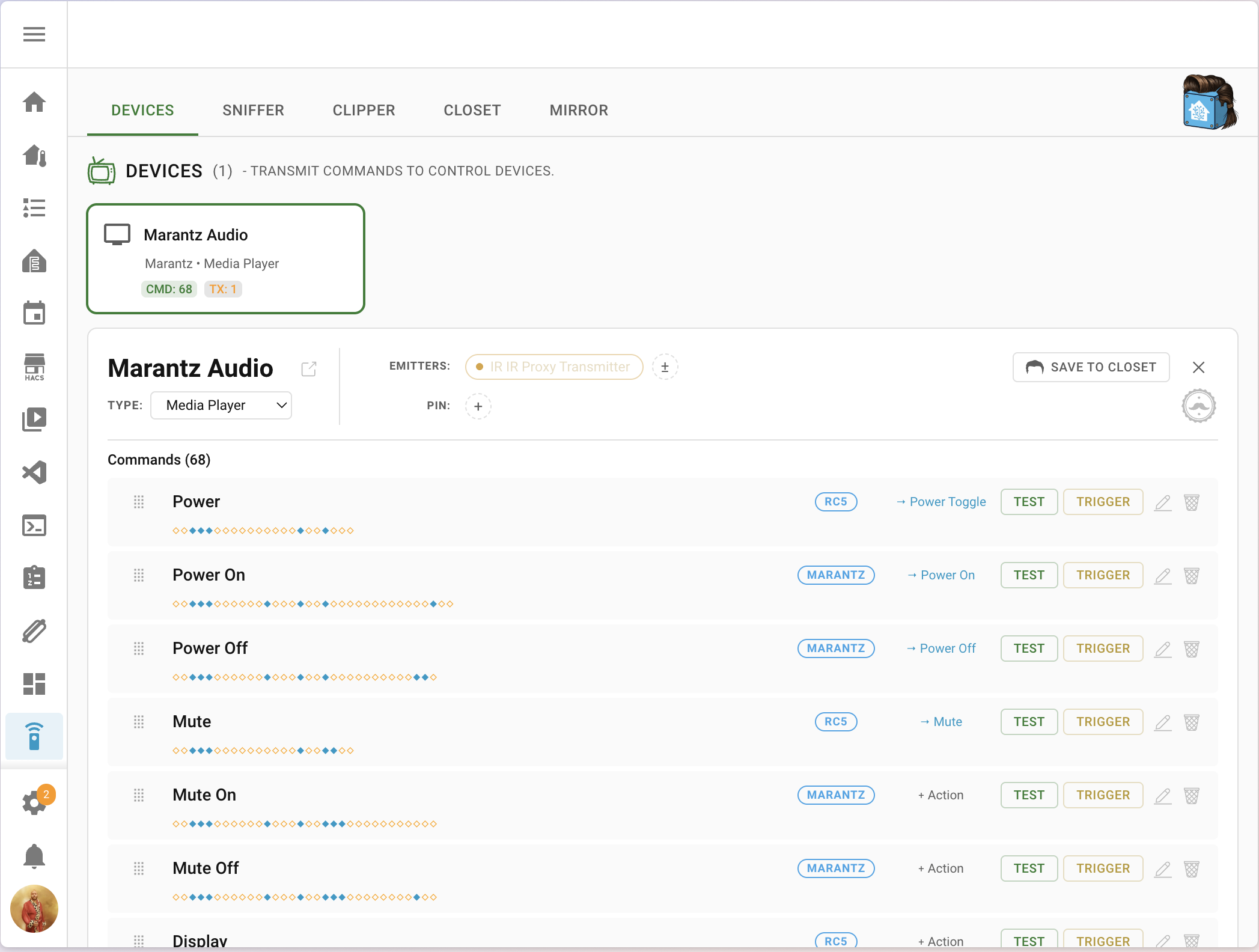
As usual, you did not disappoint. This month, DAB-LABS reached out to show me HAIR – something many of us could do with a little more of. Safe to say, they had my attention. Turns out it’s a super cool tool that transforms IR remotes into proper Home Assistant entities (HA-IR, get it?) – a device, with buttons you can automate, generated straight from a remote you already own.
People power in action
The proxy setup I highlighted in June was about bridging a single device to Home Assistant. DAB-LABS pushed that into territory I hadn’t even considered: they’ve got a proof of concept running where a validated code set (a “wig” in HAIR’s terms – yes, really) gets uploaded to a shared repo, then fed into a framework that exports it as a full Home Assistant integration automatically.
That’s not just using what we built – it’s taking it to a whole new level, which is exactly what a strong community does with a good idea. I love it.
Join in with the fun
If you want to play with something genuinely fun this weekend, give it a shot:
- Open the Sniffer tab in HAIR.
- Point any random remote at your receiver and start mashing buttons.
- Watch HAIR listen live, group the signals, and add a little diamond-shaped fingerprint to each command so you can tell them apart.
- Click USE, then Make a Device, and that old remote will become a fully controllable Home Assistant device: all without needing to touch a line of YAML.
Great things happen when you sow some seeds of creativity then step back and let the community’s imagination run riot. Keep reading for more examples of what happens when that open source magic takes over…
The ESPHome Starter Kit has landed!
Great news if you’re interested in ESPHome, but don’t know where to begin: the ESPHome Starter Kit is here! ESPHome’s first official product – made by one of our partners, Apollo Automation – lets you build your own custom smart home devices, with no soldering or complex coding, all guided by a wiki that explains the why, as well as the how behind each step. This, along with the recently released ESPHome Device Builder desktop app, makes getting started easier than ever.
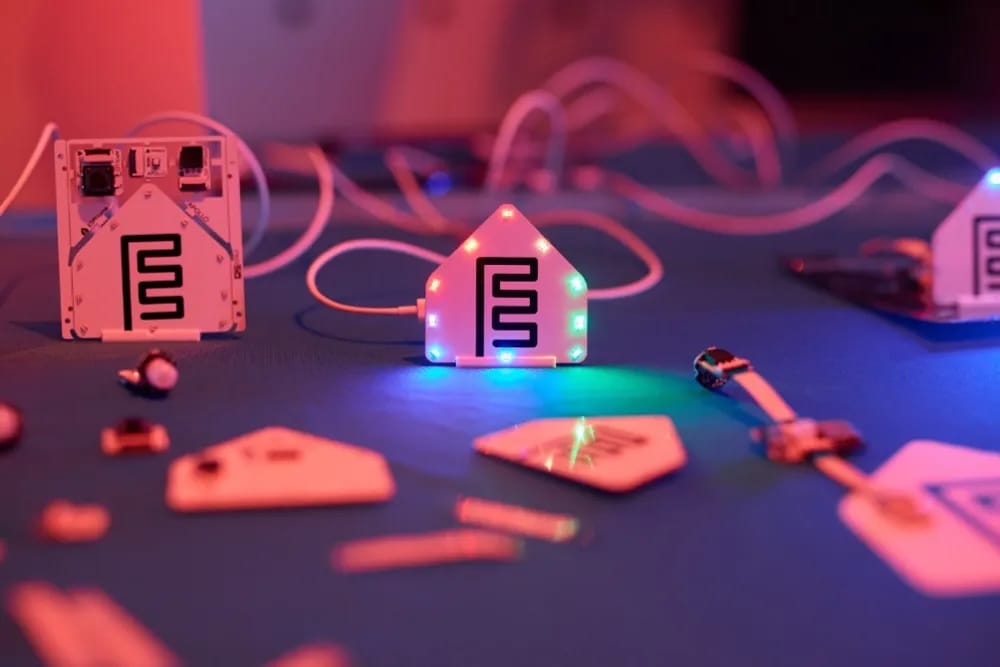
But the neatest part, for me, is the shape of the story. Apollo started off as two guys tinkering with sensors in a basement, who are proud to say they built their entire business around our community. Now they’re giving newcomers an easy way into the same world that started everything for them. What’s more, the majority of profit from every kit goes straight back to funding the foundation – so buying one supports the exact thing that helped build it. Community goes full circle.
You spoke. We listened. Here’s what you had to say:
As we’ve seen, many of the best ideas come from our community – which is why we’re always looking for new ways for you to share your thoughts. So in December 2024 we ran our first Home Assistant community survey. We had a great response, with 8,616 of you telling us how you set up and live with your smart homes. We’ve now published the anonymized dataset so anyone can explore, build on, and benefit from its insights. Read the full article to discover what we found – and how it’s already shaping what we build.
New from the Open Home Foundation
There have been so many key project releases this month we’re running out of space to do them justice – so click the links for the full picture.
✅ ESPHome 2026.8.0 brings Bluetooth to more chips than ever before…
✅ Home Assistant 2026.8 is approachable by design…
✅ Music Assistant 2.10 turns up the fun with improvements based on play…
Follow the beat – in every room!
On the subject of awesome audio, check out this video by JLo, our Lead of Product & UX. He filmed a tour of his house where each Home Assistant automation syncs with a rap track 🙌 This piece of musical magic was brought to you by Sendspin… our open standard for the complete music experience throughout your home: official launch coming soon!
FireAvert joins Works with Home Assistant
Founded by an ex-firefighter, FireAvert brings the first stove and appliance shutoffs to the program. These Z-Wave devices automatically cut power when a smoke alarm sounds, and of course operate locally and cloud-free. Find out more on our blog.
In case you missed it: A note on our website analytics
We recently published a blog explaining how and why we’re adding analytics to our Open Home Foundation websites using Plausible. It’s open source, with no personal data collection, and a public dashboard so you can see exactly what we see – read all about it below, if you haven’t already.
Community meetups
Mega meeting of minds: Community Day 2026
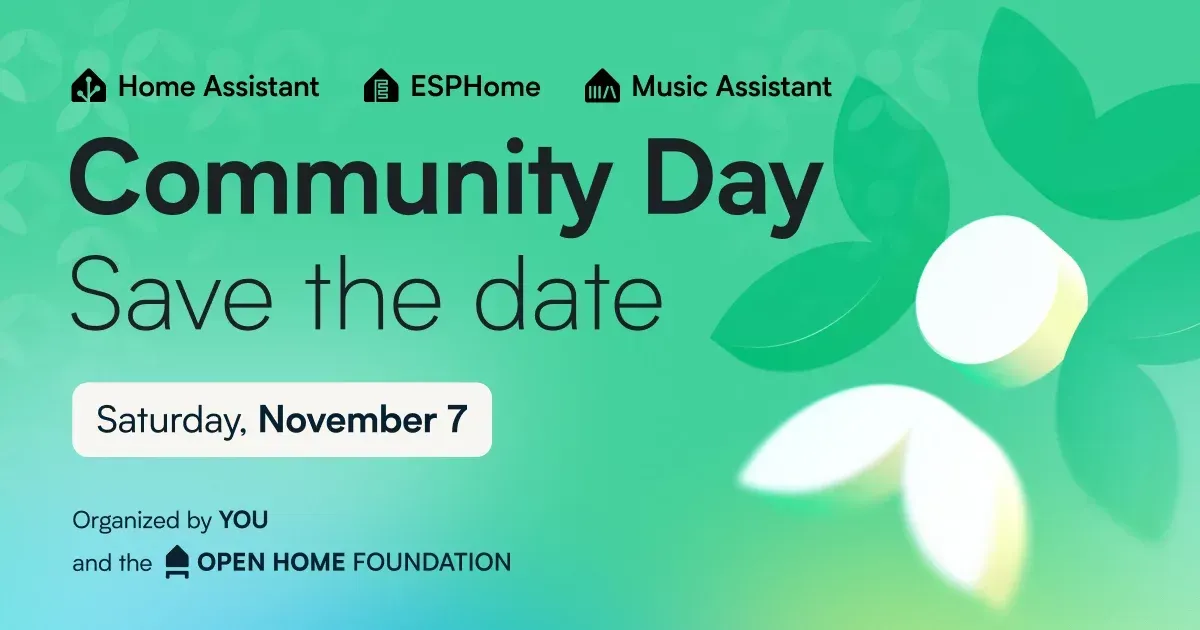
If you want to see the magic of this community in full force, mark your calendars for Community Day. Where else can 1,600+ people get together to geek out over their smart homes across 82 global events? 🌍 This year’s date is Saturday, November 7, and there are some exciting changes in the air… the first being we’re opening it up to every one of our projects, not just Home Assistant! Save the date, and watch this space for more details: including how we can help hosts with the venue fees that can come with setting up an event.
If you’re not around on Community Day, there are lots of other opportunities to get in touch with other open source aficionados in your area: check our Luma calendar for details. If you live around Rotterdam, Köln/Hürth, or Lisbon (where the entire Open Home Foundation team will be in attendance!), sign up now! Or you can set up your own event.
See you at IFA Berlin!
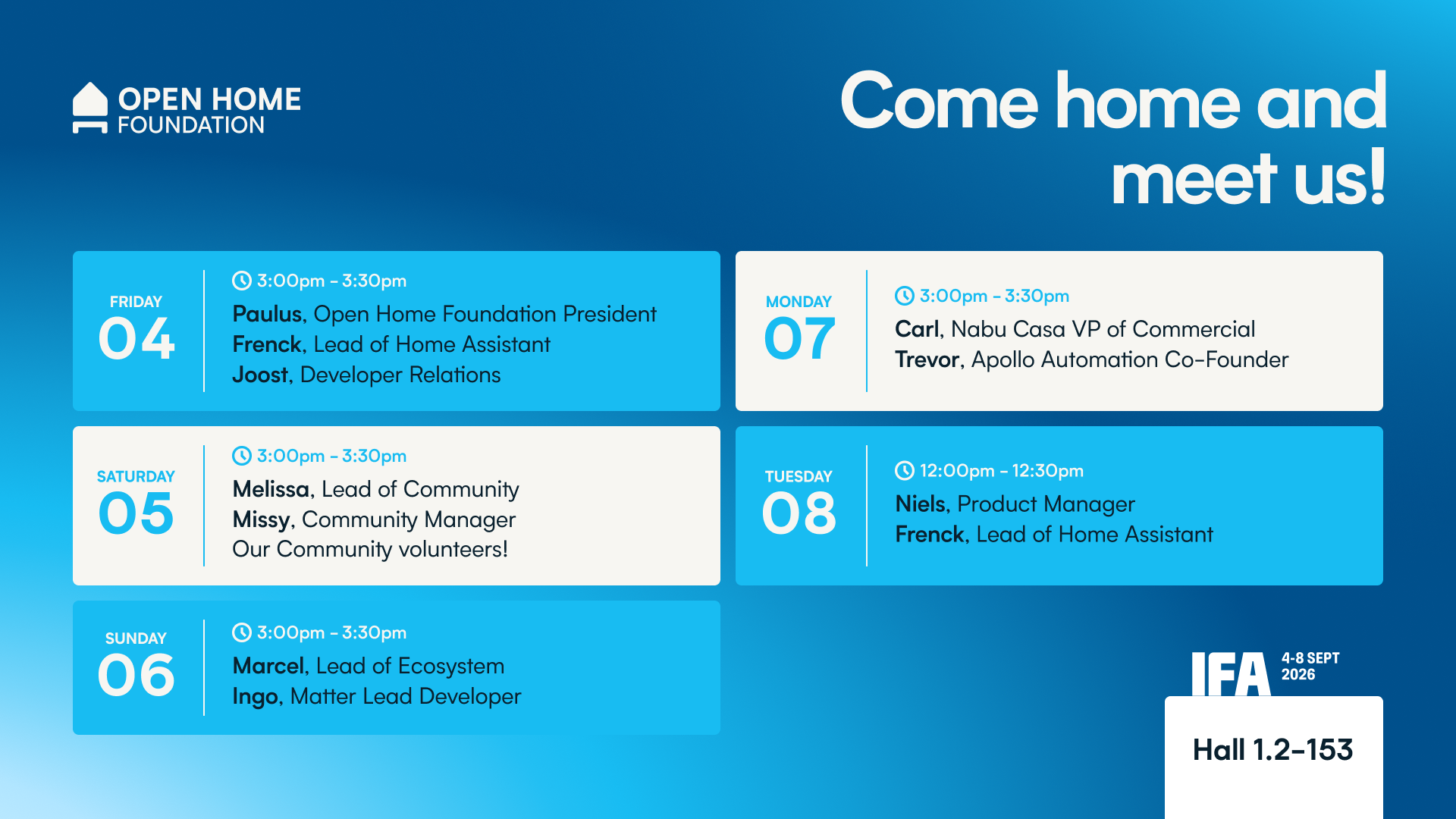
Heading to IFA Berlin on 4 to 8 September? Swing by our booth in Hall 1.2-153 for a chat – we’re running meet-and-greet sessions on all five days, including one with me on the Friday (though I’ll be around for the whole event so don’t be shy: say hi if you spot me!). Full schedule above ☝️
Sticky business at DEF CON 34
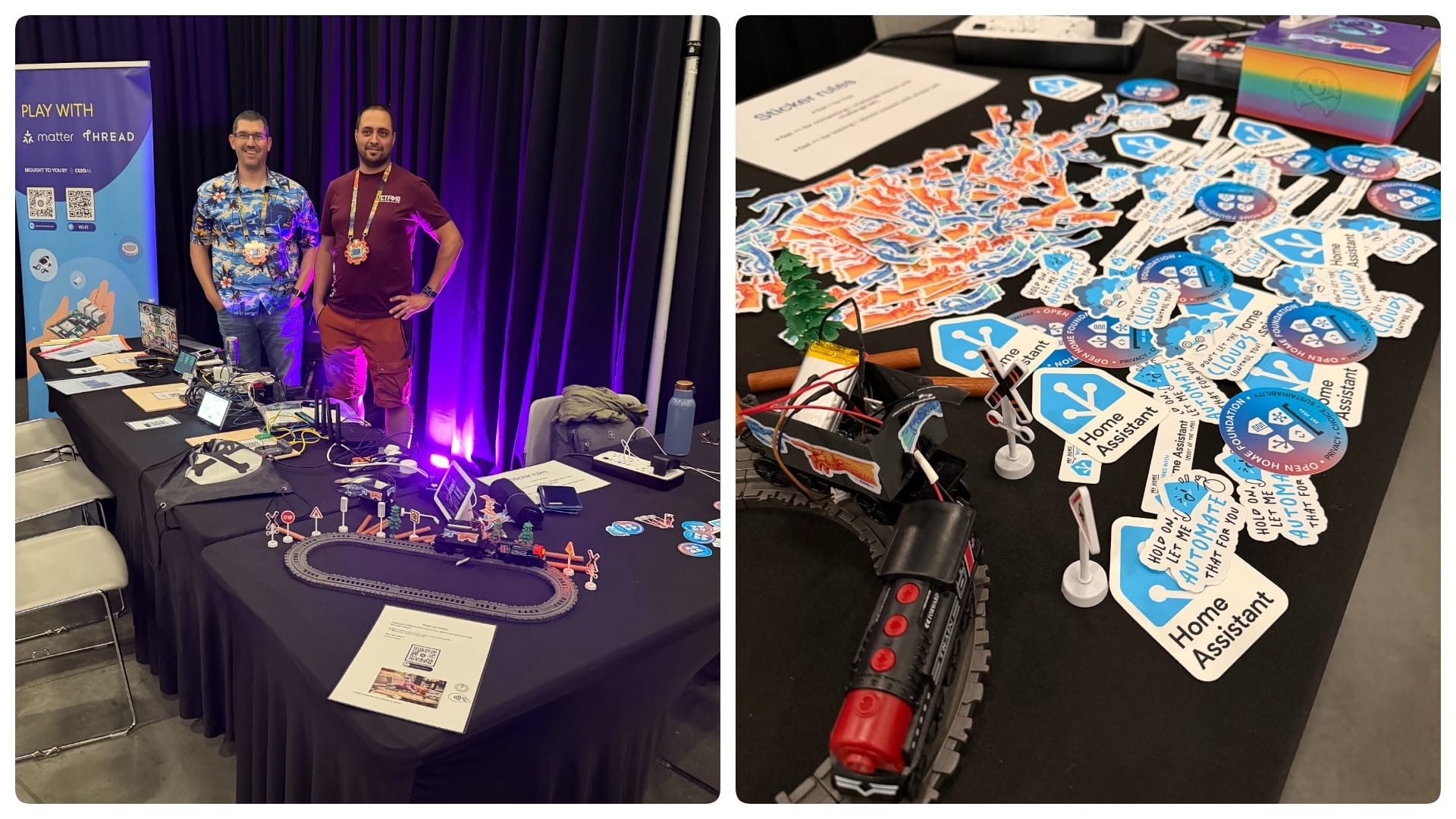
The Open Home Foundation also appeared at DEF CON 34 in Las Vegas this month… or at least, some of our stickers did. Zoltan Balazs from CUJO AI ran a booth showing just how easy it is to set up Matter and Thread devices across Home Assistant, Apple, Google, and Linux – complete with a selection of our stickers. If you like what you see, a not-so-subtle reminder you can buy them from our store (and support our mission in the process). And, more good news… there are some new designs coming soon 👀
Help us build the Open Home
Yes, you can buy stickers and more at our store – but that’s not the only way to join our fight for privacy, choice, and sustainability in smart homes…

Shop our store
Show your love for our principles and projects with our range of high quality, ethically made apparel and accessories.
Support our work
Subscribe to Home Assistant Cloud or buy official Home Assistant or ESPHome products from our commercial partners.
Share your skills
Contribute code, translations, documentation, or designs to any of our projects – or sponsor a maintainer directly on GitHub or Ko-Fi.
Other news this month
The inside scoop on Alphabet and Android
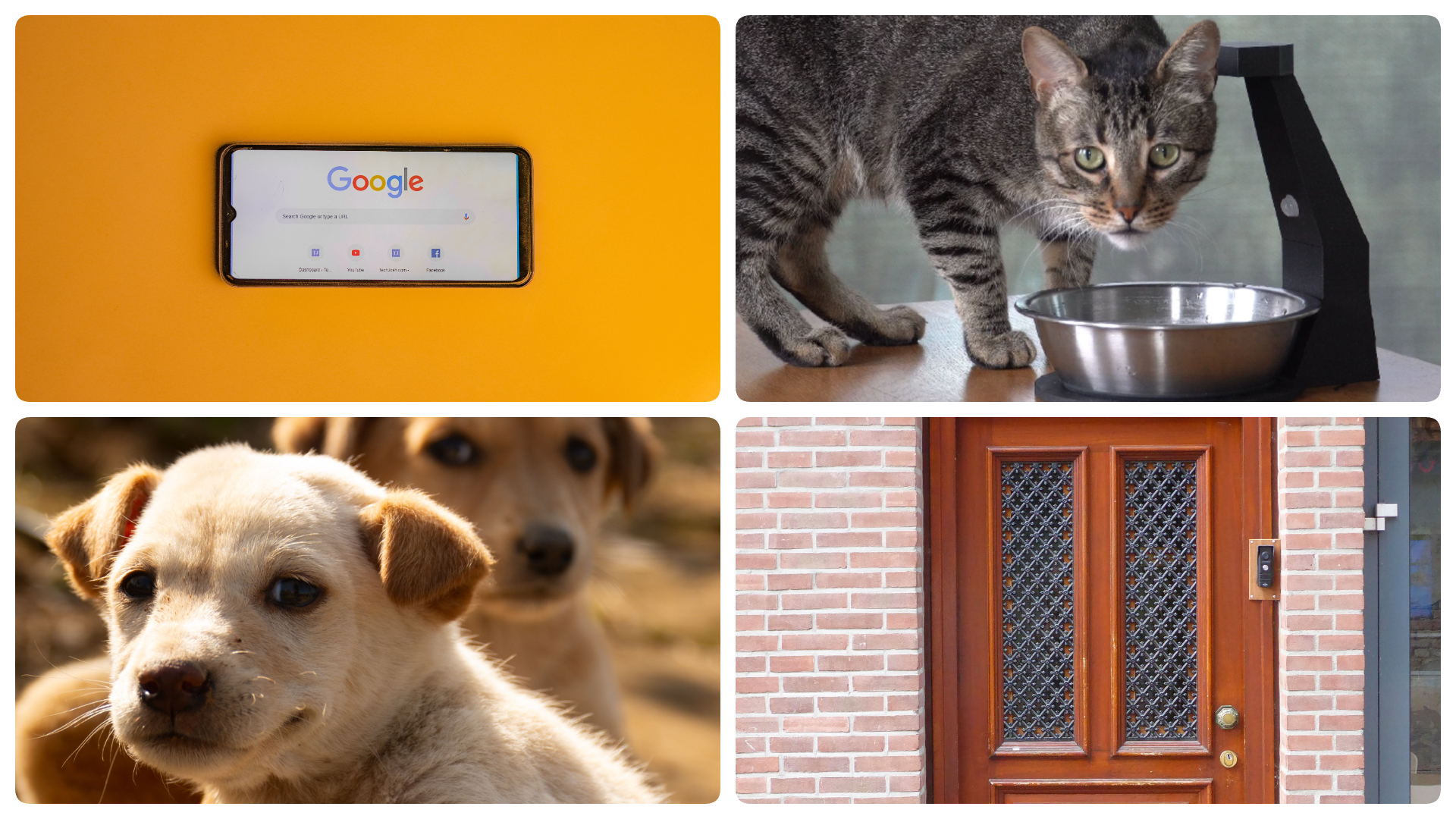
Last month we celebrated the EU Commission’s ruling that Google’s parent company Alphabet must open up 11 Android features – including always-on wake word detection, ambient sensor access, and screen automation – to all assistants, on equal terms, including Home Assistant. We also promised to give you the full picture on what happened once we’d got our breath back. So here’s Timo, the software engineer at the heart of the matter, sharing his story of how we got here, what it means for our community, and why Google probably isn’t thrilled about it…
Google’s next move, right on time
Just as the ink dries on the above ruling, Google’s shutting down its own legacy assistant on Android phones, tablets and Wear OS from September 4 – with Gemini as the only option, and no way for users to switch back. To me, it illustrates why the EU Commission's ruling matters: without such interventions your choice of assistant isn’t really a choice at all.
Ding dong, it’s your lawyer
If I had a dollar for every time we mention doorbell cameras in this newsletter, well, I wouldn’t be that rich but I’d probably be able to buy a fancy coffee with the proceeds. And here we go again… Amazon Ring and Google Nest are both facing class action lawsuits over AI facial recognition features that scan and store faceprints of anyone who walks past, without consent. The cases are US-based for now, but given Europe’s stricter privacy laws, we’ll be watching to see how this lands on the other side of the Atlantic too.
When the cloud fails your pets…
A Petlibro outage this month left some smart feeders, as well as water fountains and (gulp) litter boxes, offline. For pets whose owners were away from home, it was not a great 48 hours. Petlibro threw users a bone in the form of a status update that has left many unsatisfied, and insists feeding schedules are stored locally on devices. Hungry dogs and cats beg to differ.
…look to the community!
If you’re a pet lover looking for more reliable, open, and local alternatives to cloud-controlled devices, check out these smart ideas. First up, Elvin Luff built a custom ESPHome water bowl monitor to track whether rescue cat Carlos (pictured above) is keeping hydrated: complete with ultrasonic sensor and 3D-printed case. Meanwhile Joseph DiGiovanni installed ESPHome-based firmware onto a Litter Robot 4, cutting it free from Whisker’s cloud entirely. No outages, no lock-ins, just happy pets and owners 🐶😺
Community highlights
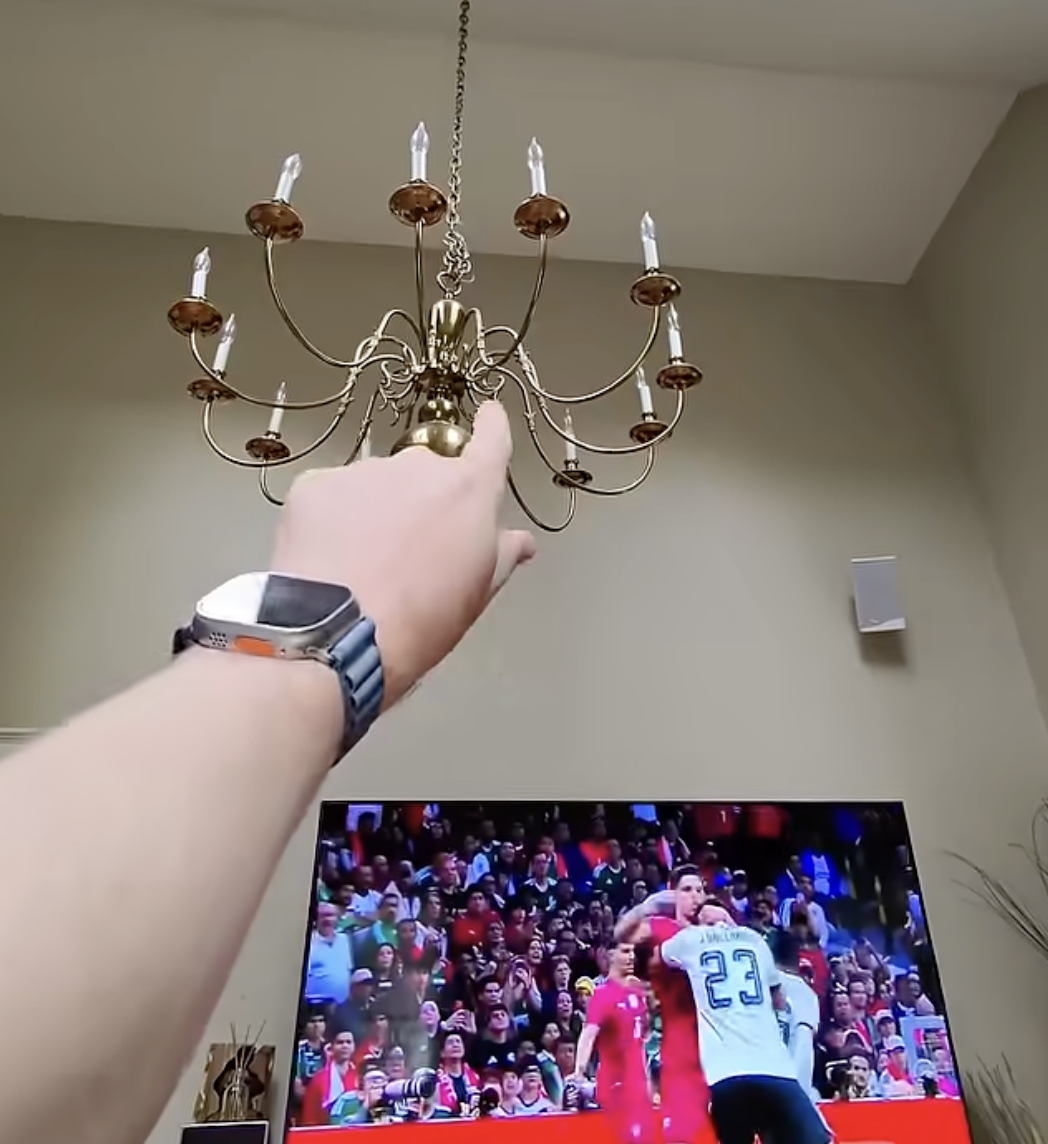
Ever wished for Jedi-like powers? u/Dazzling-Carpenter did, so created Maestro Snap. This app works locally on your Apple Watch: just point at a device and snap your fingers to activate it via Home Assistant.
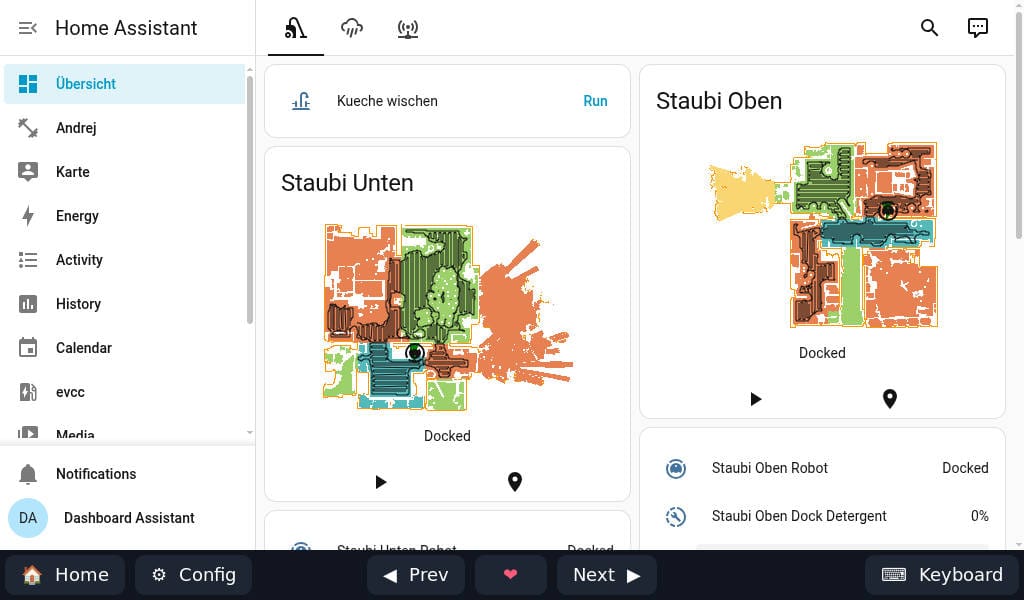
Dashboard Assistant turns a spare tablet or mini-PC into a Home Assistant control panel: no Linux, terminal, or weekend of tinkering required… and if you’re at IFA Berlin next month you can meet its creator Andrej Friesen, who’ll be joining us at our booth.
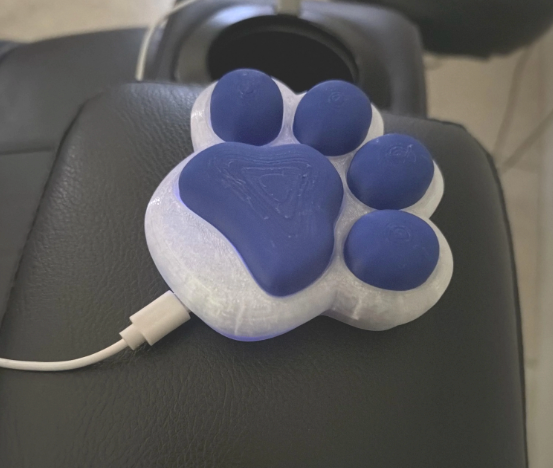
One last pet-adjacent piece this issue (well they’re members of the community too, right?): u/aamat09 built a custom 3D-printed paw remote for their niece’s Fire TV 🐾
Connect with us
Hit reply to say hi, or find us on your favorite platform...
|