Choice shouldn’t end when tech connects

Welcome to the November edition of the Open Home Foundation newsletter, the place to learn about the latest and greatest things for your smart home that improve its privacy, choice, and sustainability.
The Open Home newsletter is written by Paulus Schoutsen – President of the Open Home Foundation, and founder of Home Assistant. Was this email forwarded to you? Subscribe here!
As winter takes hold (in the northern hemisphere at least!), I’m used to seeing contributions pick up as people spend more time indoors working on our projects. But this year’s been something else 🙌 Home Assistant and ESPHome have just shipped their biggest releases yet, and Music Assistant and Sendspin are booming. All that means more options for everyone, which is exactly what our new position paper, Choice in the smart home, is all about…
Choice shouldn’t end when tech connects
My office has an 80s space theme. Everything in it has to be round, white, or blue, and there’s even a light-up Jeff Koons-style balloon dog overseeing things (look out for him during the next release party 👀). But walk into our family living room and you’d hardly guess you were in the same house: different furniture, colors, vibe, and a pair of very cool retro JBL speakers.
When it comes to the way your home looks, you’re free to be yourself and pick anything you want. When we choose technology for our homes, we should demand nothing less. That’s the heart of our new paper on choice, one of the foundation’s three core principles: you should be able to design your smart home with the same degree of personalization as earlier generations designed their homes.
Mix, match, and remix
Take audio for example. It’s ridiculous that for decades you could mix and match old-school hi-fi components – turntables, amplifiers, and speakers – from any brand more easily than you can with today’s connected versions. Sonos is the classic case. Want multi-room audio? Buy more Sonos speakers. There are only a few to choose from, and if none of them suits your living room style... well, good luck.
A few choices aren’t enough. I want my JBLs to work with everything, and I want a gazillion choices for everyone else, too – because what works in my living room won’t work in every home around the world.
They have yet to realize this in sunny Silicon Valley, where a few Big Tech teams design the same products for everyone, often without taking local conditions or limitations into account. No single company can build for every home, or every person. It takes thousands of makers, all building different devices that can still work together.
That’s interoperability – what our paper calls the backbone of choice.
No dependence on a single platform. Not even ours.
Home Assistant has been about interoperability from the beginning. This year, we’ve been working hard to include every protocol we can, from infrared to radio frequency, so Home Assistant works as a kind of broker: everything in one place, all local, and under your control. But choice can’t depend on everyone using any one platform, including ours. That’s why we’re calling for interoperability by design, built straight into the devices themselves, or your smart home system of choice (even if it’s not ours!).
This is already happening through the open standards we support. Protocols like Zigbee and Z-Wave let devices from different brands work together locally, with no internet connection needed. Matter goes further: a single Matter light bulb can work with several smart home platforms at once, Home Assistant included. It’s a young, developing standard, but it shows what’s possible when the industry works together.
While open standards are amazing, they only work if companies play fair – and as we’ve seen in this very newsletter, many don’t. So our paper also pushes for real regulatory reform to hold manufacturers accountable: banning walled gardens, demanding the right to connect devices without a brand’s permission, and ending updates that strip away features you’ve already paid for.
This way we’ll take power away from corporate behemoths and put it back where it belongs – in your hands.
Read the full paper to see everything we’re asking of the industry.
No device left behind
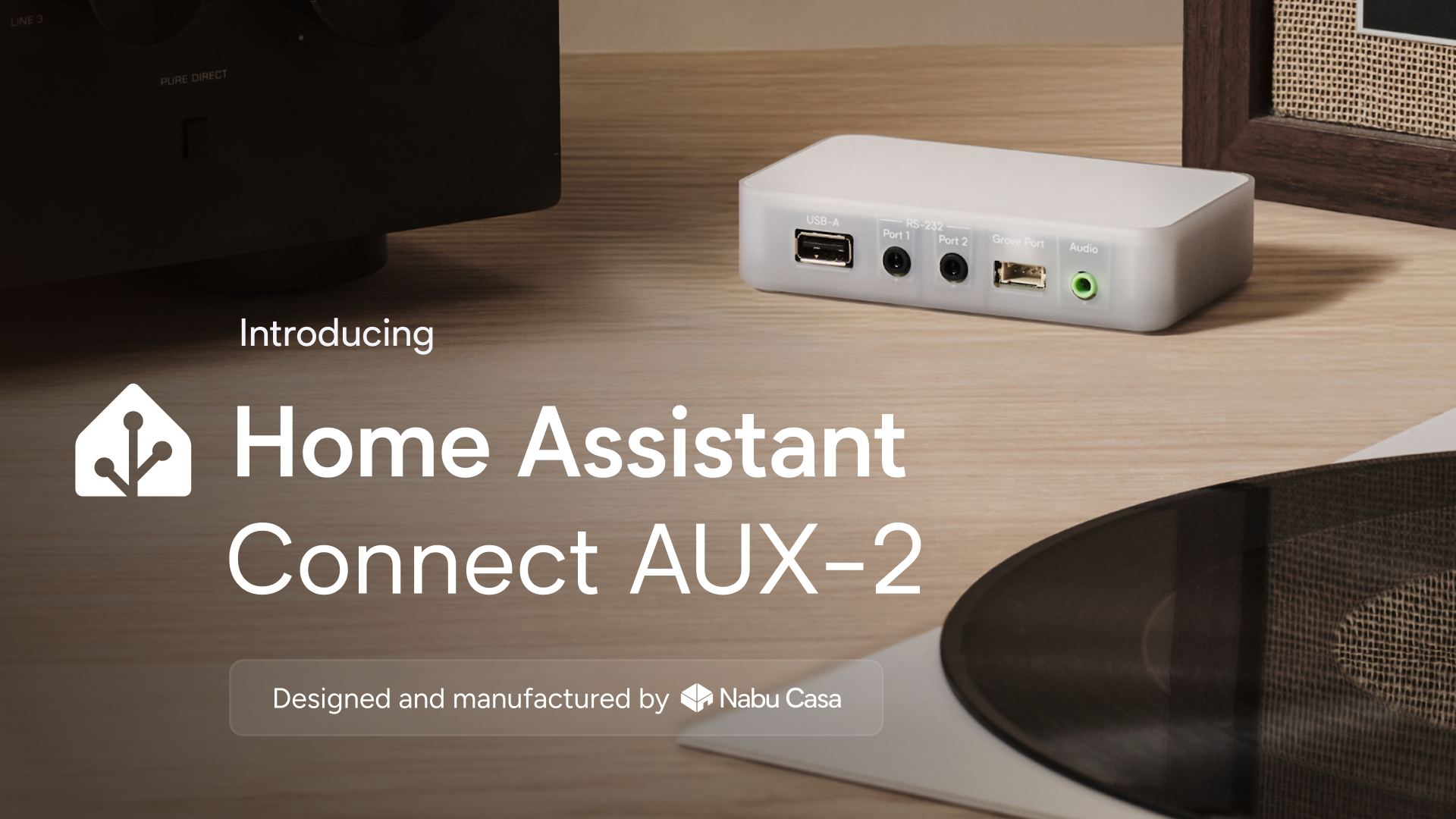
One of the most personal choices we make is music: what we listen to, and what we listen to it on. Where all-in-one speakers have taken some of that choice away, Home Assistant Connect AUX-2 is giving it back.
Designed and built by Nabu Casa, this little box brings your beloved classic audio gear, from retro receivers to beautiful old speakers like my JBLs, into your smart home – and it has plenty more tricks up its sleeve (including a way to skip your TV’s spyware 👀).
Launched earlier this month, our community has already been finding other cool uses for this neat box 🙌
Best of all, because Nabu Casa is one of our commercial partners, the majority of net profits from AUX-2 go to supporting our work, including Music Assistant, and Sendspin, the open standard that keeps your speakers playing in sync in every room. So every one you buy helps keep music an open choice for all.
Community Day 2026: How investing in people pays off
Back in March, I told you how and why the foundation is investing in human connections. We set up a new Community department and boosted support for meetups, so more of you can enjoy the kind of in-person conversations that spark great ideas. I’m happy to say Community Day 2026, on November 7, showed it’s already paying off. Across 97 events in 35 countries, 2,712 of you registered to meet fellow smart home enthusiasts, up an incredible 76% on last year. And, for the first time, the ESPHome and Music Assistant communities joined the party too.
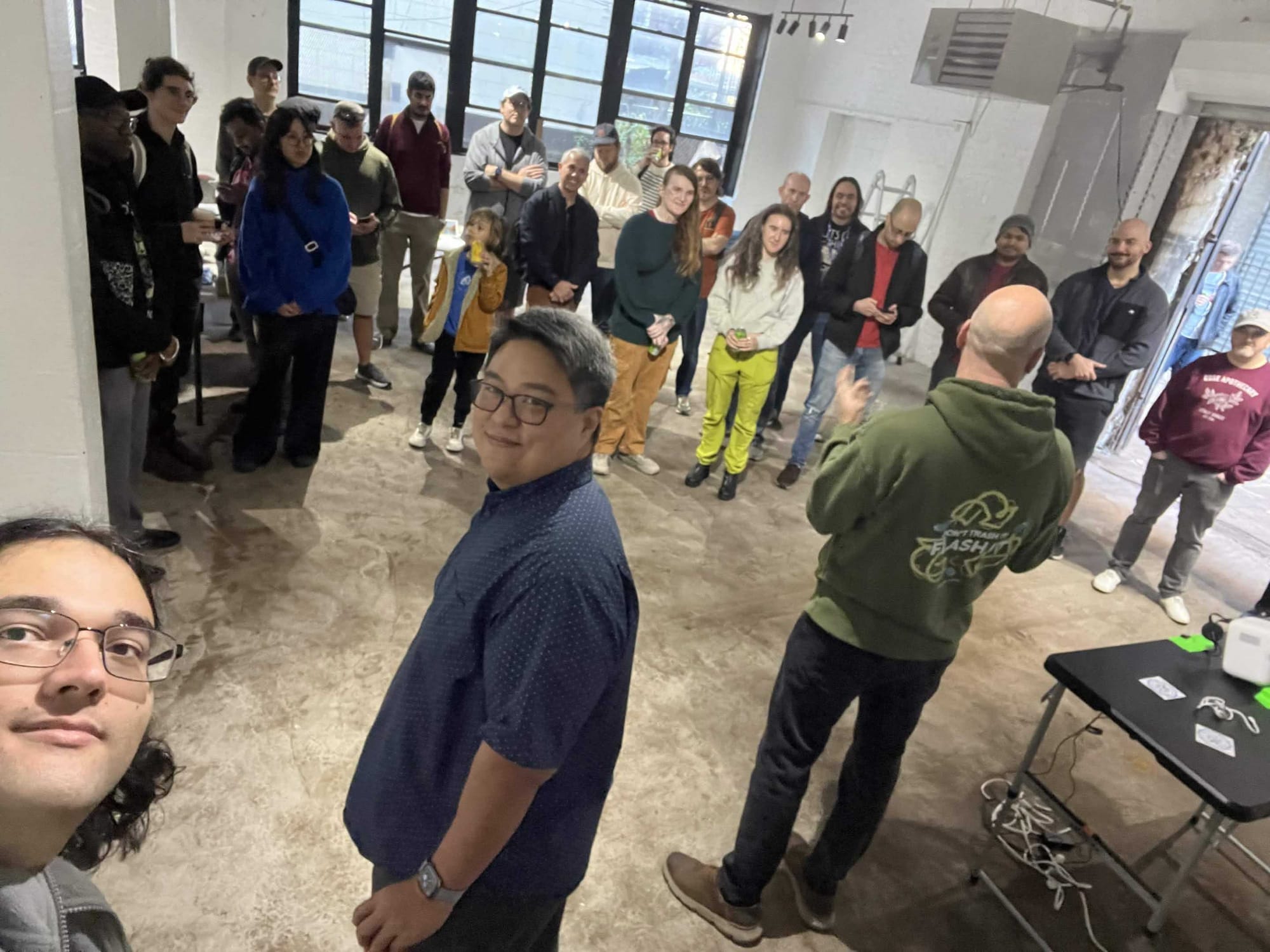
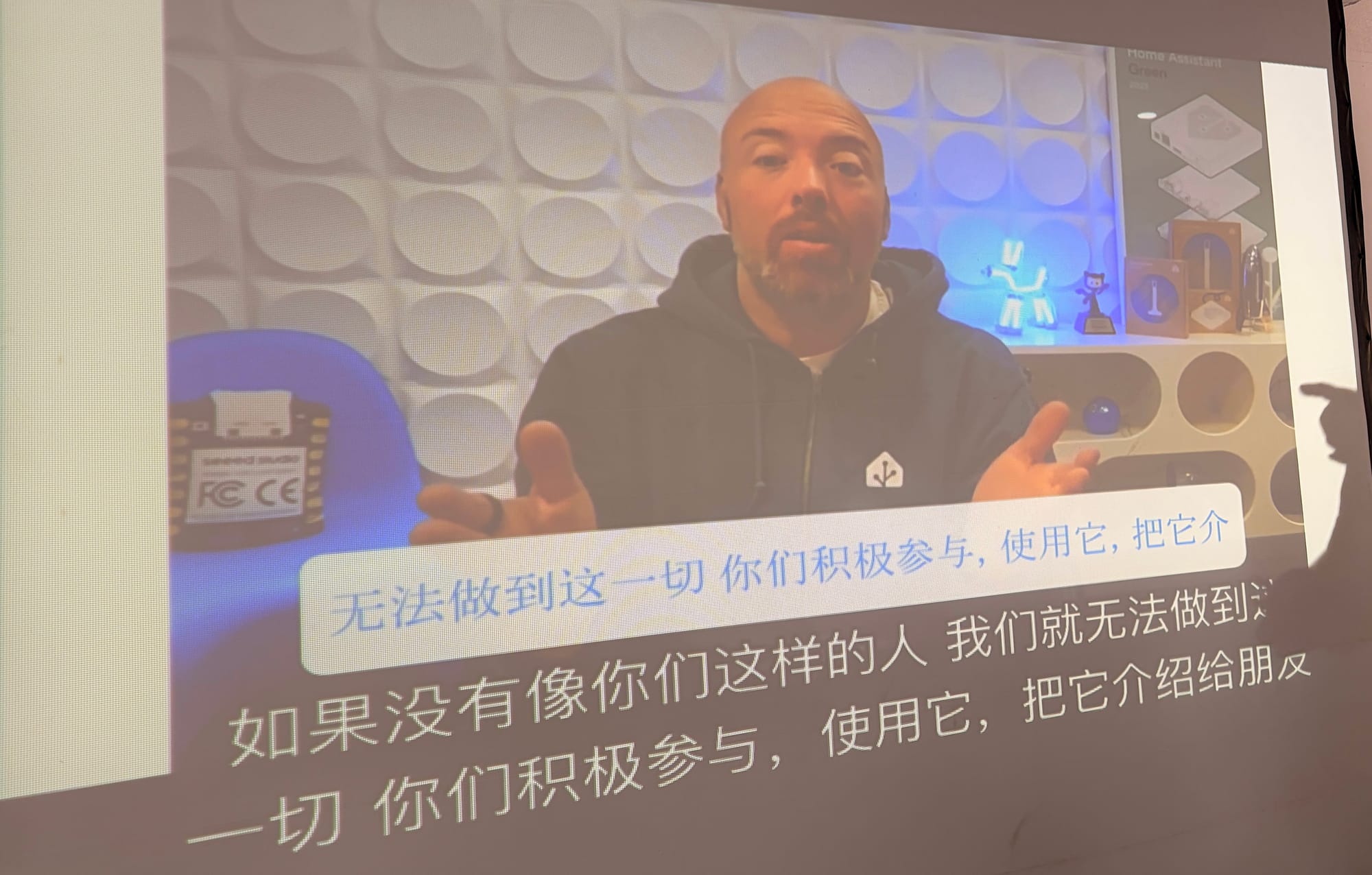
From the first meetup in Budapest to the last in Seattle, the celebrations ran for 34.5 hours straight. I joined my local meetup in Brooklyn, and even dropped in on the event in Shenzhen, China (by way of a pre-recorded video).
A huge thank you to every host, guest, and partner who made it happen. Head to Missy’s full recap for more stats, stories, and a spoiler for 2027…
Find a meetup near you!
And remember, the meetups don’t stop just because Community Day has come and gone – there are gatherings all year round, all over the world. Check our Luma calendar to see if there’s something in your area. If you live around Köln, DE, Carpi, IT, Orlando, FL, or Tauranga, NZ, sign up now! If you’re interested in setting up your own event, here’s how we can support you.
New from the Open Home Foundation
It’s been a mega few weeks for our projects, with the biggest releases we’ve ever seen 🚀 I’d like to thank everyone involved for keeping things growing, improving, and evolving month after month. You’re all awesome.
On that note, I must give special mention to the new Marketplace, which brings the Home Assistant Community Store (HACS) right into Home Assistant. Until now, accessing its massive selection of community-made custom integrations, dashboard cards, and themes meant installing HACS first. Now they’re just a few clicks away under Settings, on every installation type, and everything in it is free.
Over on ESPHome, 2026.11.0 packs in 1,463 changes from more than 240 contributors – with over 30 new components to choose from! 🤯
Get all the details via the links below.
✅ ESPHome 2026.11.0: Lighter builds and tougher updates
✅ Home Assistant 2026.11: A lot in store!
🎬 You can also tune into our Home Assistant release party for the full lowdown. And if you’re short on time, Frenck’s been busy making bite-sized videos that walk you through the highlights in under a minute. Check them out on Insta!
Hacking in the open!
The Home Assistant team continued the spirit of collaboration we saw on Community Day with its first-ever contributor hackathon. On 19 November, during the team’s meetup in The Hague, the Netherlands, almost 50 people showed up to tackle What the heck?! fixes (more on those below 👇), speed up code reviews, and pitch new ideas. Look out for the results in the next release, and a huge thank you to everyone who gave up their time to join in!
There’s still time to share your What the heck?!
November may be drawing to a close, but there are still a few days for you to take part in our month of What the heck?! It’s dedicated time to tell us what makes Home Assistant confusing, awkward, or just plain annoying for you – and the people you live with. We only do this every two years, so if there’s a burning issue you’d like to see fixed (no guarantees!) head to our What the heck?! page to learn more.
Double the partners, double the devices
We’ve also been busy on the device testing front, with not one but two new Works with Home Assistant partners joining us in the past month.
First up, Everything Smart Home – the family business founded by long-time community member and YouTuber Lewis Barclay and his dad, Dave Barclay – brings three Everything Presence sensors to the program. The devices run ESPHome and use mmWave radar to spot the tiny movements you make when you think you’re sitting still, so no need to wave your arms to get the lights to come back on.
Then there’s Aeotec, a company that’s been building Z-Wave gear since 2006. We’ve certified nine devices, including new Z-Wave Long Range sensors that can reach up to one kilometer in line of sight, so your garden shed can stay connected without repeaters.
Whether you’re team ESPHome or Z-Wave (or both!), you now have even more devices to choose from that are local, private, and built to last 💪
Shaping what’s next with Shelly

Speaking of Works with Home Assistant partners, in October I joined Shelly’s partner event in Mallorca to hear about the team’s future plans and discuss ways we can shape what’s next. As Shelly prepares for a new chapter with Schneider Electric (covered in last month’s issue), staying in close collaboration matters more than ever, and continues to be important for users: Home Assistant 2026.11 brings improvements to the Shelly integration, like a Last seen sensor for battery-powered devices.
The gift that keeps on giving (to the Open Home)

With Christmas exactly a month away, don’t forget our store is a great place to find gifts for the open source enthusiasts in your life, and help fund our mission in the process. New this year is our limited-edition 2027 calendar (currently only available in Europe), with original artwork by the super-talented Clelia Rella, who illustrates this newsletter so beautifully each month. At a generous A2 size, there’s plenty of room to fill in those all-important release dates (or, you know, your kid’s birthday)… and while it’s a 12-month commitment, I promise it’s the only annual lock-in we’ll ever promote 😉
Help us build the Open Home
There are lots of other seasonally appropriate items available in the Open Home Foundation store – and that’s just one way to join our fight for privacy, choice, and sustainability for smart homes…

Support our work
Subscribe to Home Assistant Cloud or buy official Home Assistant or ESPHome products from our commercial partners.
Share your skills
Contribute code, translations, documentation, or designs to any of our projects – or sponsor a maintainer directly on GitHub or Ko-fi.
In other news

Unfreeze your thermostat for winter
Last month, Glasshouse helped LG TV owners take back their screens. Now unfr0zen gives third-generation Nest Learning Thermostat owners the same kind of control ❄️ Patch it over USB to disconnect from Google’s cloud, ditch the Google account, and run your heating locally with no internet required over MQTT, Matter, or Zigbee – handy if your thermostat’s Wi-Fi has given up. Bear in mind it’s early days, so it’s a good idea to read the thread and back up before installing. Its developer’s motto is “Owning the hardware should be sufficient qualification to control it.” Sound familiar? First the glass, now the thermostat. I like where this is heading…
Samsung joins the watchlist
It seems LG TVs aren’t the only ones worth watching – for all the wrong reasons! A “cybersecurity bounty hunter” recently hacked their own Samsung TV and reports finding content recognition, profile building, targeted ads, and “always on hot mic functionality.” It’s not independently confirmed, but that’s quite a list for something you just wanted to watch Netflix on.
Open sesame, Android edition
Your Android phone can now unlock your front door as if by magic. Google is rolling out home keys in its Wallet app, so compatible smart locks will open with a tap, or hands-free as you walk toward your door. It’s built on Aliro, a new open standard, developed by the Connectivity Standards Alliance, that’s designed to let smart locks work across brands. It’s always good to see big companies using such standards, although you will need Google’s Home app and hub to use its version. Hopefully other platforms will open the door soon.
Volkswagen plugs back in
Back in June, we reported that Volkswagen cut off the access that let Home Assistant users charge their electric vehicles more sustainably, and that EVCC had launched a petition to challenge the move. Now VW has posted on EVCC’s own GitHub, thanking the community for its feedback. Its Data Hub team is apparently preparing a read-only API for dynamic charging, with a limited beta planned for early next year. Progress – but it’s a shame to have to apply for access to your own car’s data.
Let’s hope customers continue to Thrive
Last month I talked about why smart tech acquisitions can make people nervous: new owners often bring new priorities. Now we hear smart home security company ADT is being bought by Thrive Holdings, which aims to revitalize businesses with AI, including models and engineers supplied by OpenAI. ADT says its privacy policies won’t change with the move – we’ll be watching.
Ring drone in your home, what could go wrong?
We haven’t covered Ring for a while, but it’s back in the news with the launch of Ring Robotics, and this time it can fly 🪽 Its new Drone Cam patrols your home on a schedule, partly using “cloud processing” to find its way, and scheduled patrols need a Ring Protect plan. Founder Jamie Siminoff says Ring Robotics is “reimagining what a security device could be.” I think I’ll stick with the grounded, local kind, thanks.
Be afraid… be very afraid
Finally, a bit of fun: You know how it goes, you sign up to a connected smart home service that seems too good to be true, then things take a sinister turn. This parody site captures that experience in an amusing (and pretty chilling) way. Just make sure you keep scrolling to the bottom for the full payoff 😨
Community highlights

I’m a huge fan of ESPresense, so I was stoked to see it ship a massive release this month! If you’ve not come across it before, it’s great for turning inexpensive ESP32 boards into room-by-room presence sensors that work with Home Assistant. Version 5 is a ground-up rewrite, with power monitoring for smart plugs, encrypted MQTT, and much more free memory 🧠 Way to go ESPresense!
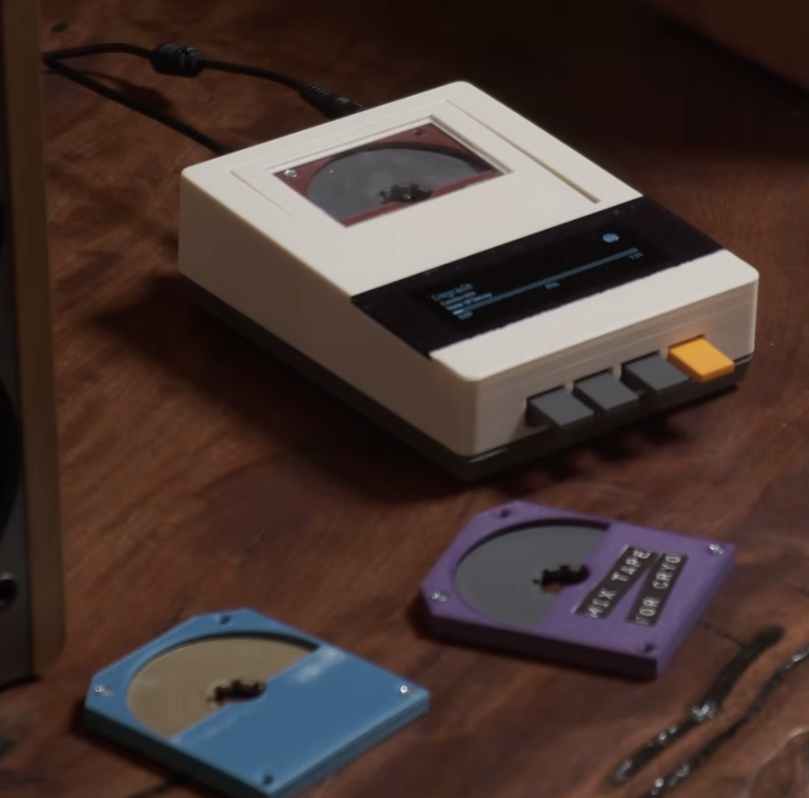
Nerd-sniped by a Reddit commenter, TemuWolverine built Jazzette: a retro player where NFC-tagged fake Jaz discs tell Music Assistant what to play, streamed over Sendspin. Exactly the kind of creativity our open audio protocol was made for!

The Sankerchief turned Home Assistant data into a daily e-ink front page, with train times, weather, and, in the Star Wars edition, a Death Star moon phase 🌑
Connect with us
Hit reply to say hi, or find us on your favorite platform...
|