Don’t rent what you need to own

Welcome to the January edition of the Open Home Foundation newsletter, the place to learn about the latest and greatest things for your smart home that improve its privacy, choice, and sustainability.
The Open Home newsletter is written by Paulus Schoutsen – President of the Open Home Foundation, and founder of Home Assistant. Was this email forwarded to you? Subscribe here!
Well, we’re only four weeks into 2026 and it already feels like we’ve lived through several months’ worth of news – both in the Open Home world and beyond. While there’s plenty of exciting stuff to share here (spoilers: tickets for State of the Open Home are coming soon, and Music Assistant 2.7 is incredible), I want to start by reflecting on something serious that feels more important than ever in the current climate: who actually controls the digital infrastructure we all depend on every day…
Open source is the path to digital sovereignty
In its new “Towards European open digital ecosystems” paper, the European Commission finally asks the crucial question: how can open source help Europe reclaim its digital sovereignty? If you’re in the field, they’re looking for opinions. Even if this leads to nothing (I get it, it’s hard to break the Big Tech habit), it’s amazing the phrase “open source” is resonating in the halls of power.
There are occasionally news stories about some government or department switching off Big Tech, often using some bespoke Linux distro and office suite. Over the past two decades, it was touted as a cost-cutting measure, but the debate has recently shifted to the topics regularly covered by this newsletter… specifically, gaining real privacy and making sure no one can pull the plug just because they woke up on the wrong side of the bed.
I’m not the right person to comment on the improving state of open source productivity software, but I can explain why it’s never worth renting your essential infrastructure from companies that have no vested interest in your success.
Banishing Big Tech
I built Home Assistant over a decade ago to get more control of my smart devices. Over the years, Big Tech consolidated and turned more products into cloud-dependent hardware. From doorbells to heating, you pay companies monthly to get essential functionality, and they treat your data like it’s their own. For millions, reclaiming control meant banishing Google Home, Amazon Alexa, or other Big Tech ecosystems, and moving to an open source platform like Home Assistant.
Almost every part of the world is effectively renting its digital infrastructure from companies that only have satellite offices in their countries. Whether via cloud subscriptions or locally installed software dependent on license servers, someone could make you really unproductive with the push of a button. Just imagine if a foreign company had the ability to turn off your sewers or close all your bridges… I think we’d be a lot more freaked out.
Building something we can own
Open source allows nations to build something they can own. Not own in the traditional sense, but in that they can control it from top to bottom. And if you build it right, no one can ever take it away. In the same way that you build and maintain a bridge over the years, we should take a similar approach to digital infrastructure. With more control, you also gain better privacy and sustainability, with fewer opportunities for corporate entities to see your data or dictate when your hardware needs upgrading. The amazing thing is that if you build this productivity software for your government to use (or support creators of open source software), every citizen benefits, since everyone can use or improve it. It’s not about “realizing cost savings”, it’s more about investing in your collective future.
If a ragtag team of hobbyists can build the most powerful home automation system that rivals every Big Tech offering… surely governments can build something that puts them back in control of their infrastructure, and benefits not only their citizens, but the entire world’s digital sovereignty.
State of the Open Home 2026: tickets coming soon!

Every year, State of the Open Home is where we celebrate what this community has built, and look ahead to what’s next. And for 2026 we’re shaking things up! We’re inviting a live audience to join us in Utrecht, the Netherlands, on April 8. Sounds good, right? If you’re keen to be a part of it, keep your eyes on our new website: tickets will be available early February – see you soon!
 Paulus Schoutsen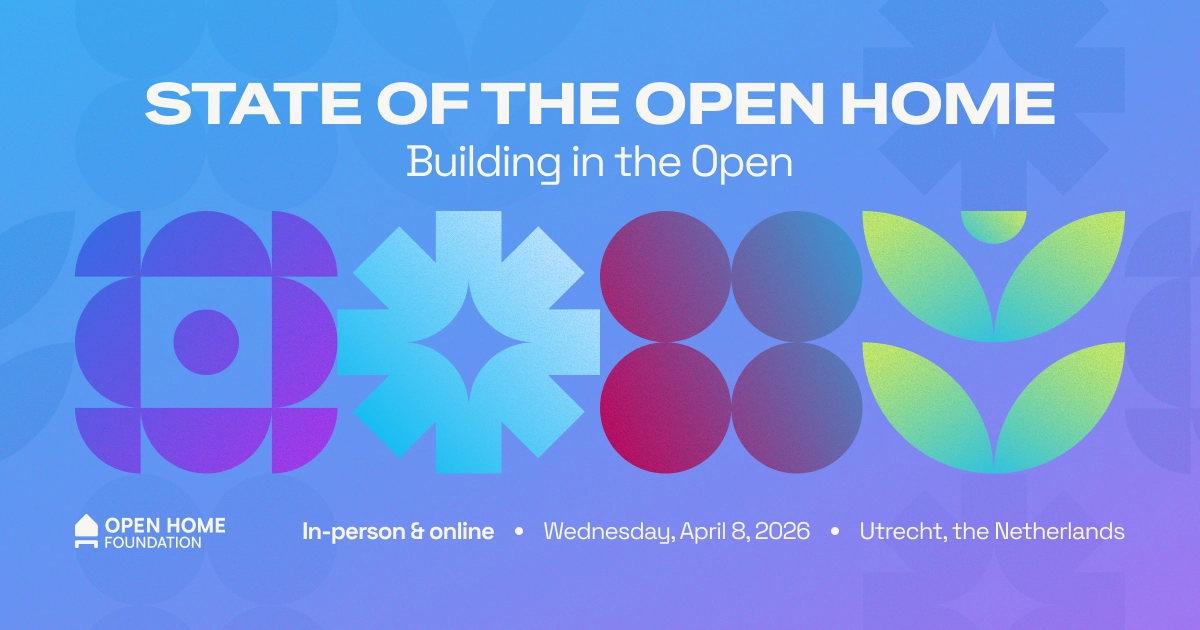
Music Assistant 2.7 sends us into a spin
Music Assistant just dropped its biggest update yet, and it’s a banger – get the lowdown in our pun-filled launch blog below 🙌. The thing that’s really sent our heads spinning is, of course, Sendspin… It’s still early days for this open source music experience protocol, and we need builders and testers to help make it sing 🎶. So whether you want to dive into the spec and help shape it, or simply spin that record, drop the needle, and send your music everywhere, we’d love you to get involved.
 Marcel van der Veldt
Meetups
Our community have some meetups coming up, so always check our Luma calendar to see if there’s something in your area. If you live around Brussels, Utrecht, Köln/Hürth, London, or Hasselt, sign up now! If you’re interested in setting up your own event, learn more here.

Another year at CES
Speaking of meetups, myself and several other foundation staff were at this year’s Consumer Electronics Show (CES), the biggest tech trade event of the year. It is jam-packed with smart tech… and robots… but also a lot of things that shouldn’t really exist (check out the annual “Worst in Show” awards for an irreverent take on the creepy, the wasteful, and the just plain wrong).
A real personal highlight was taking the stage with some of the biggest names in smart technology at the CES Connections Summit to talk about “Why interoperability Matters now”. It’s always great to give open source a voice in the industry and show how we’re accelerating interoperability. CES was also where I learned that Parks Associates named me a Top Leader in Technology 2025, specifically in the Connected Home and Security category. Again, these kinds of accolades are flattering, but to me the real leaders are our contributors. I hope I can represent their voice, as they are the force driving forward the Open Home.
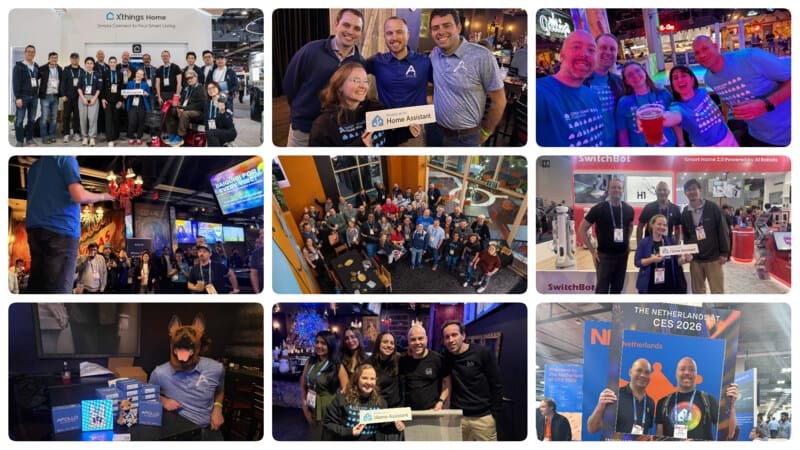
We also took the chance to host a Las Vegas community meetup. This is a once-a-year opportunity for loads of people representing cool smart home brands to hang out together, along with a bunch of awesome Home Assistant users. The giveaways and swag were pretty good as well 😉.
This month in the news

Now activists want you to ditch your doorbell
We’ve covered Ring’s surveillance tactics before, and now more alarm bells are ringing. Activists are calling on users to ditch (or destroy in Mount Doom?!) their doorbells over a partnership with Flock AI – a surveillance network reportedly accessible to law enforcement, including ICE, the US Immigration and Customs Enforcement agency. Regardless of your thoughts on the controversy, our original point remains: none of this would be an issue if Ring’s devices worked locally. This is why we always advocate for local-first cameras – so footage is stored in your home, under your control.
My surprising advice for switching to Home Assistant
When The Verge’s Jennifer Pattison Tuohy asked me for help migrating her complex smart home setup (close to 200 devices across multiple platforms) to Home Assistant, what I did next may surprise you. I pointed her towards Claude Code and the community’s Unofficial and Awesome Home Assistant MCP Server (see below!), and she got most of it done in an afternoon. Yes, we’re working hard to make Home Assistant accessible, but some people will always prefer asking for help over learning a new interface. That help used to come from tech-savvy friends, now it can come from AI. Try finding another platform where Claude can help like this. I’ll wait…
When “end of life” doesn’t mean bricking…
When Bose announced it was killing its SoundTouch speakers back in October, customers weren’t happy. Originally $399 to $699, these speakers looked to become very big, expensive paperweights, set to lose cloud connectivity, their app, and most smart features by February 18 this year.

But with the clock ticking, Bose surprised everyone by publishing the SoundTouch API documentation so people know how to use it locally. This is what we want to see when companies “brick” products – giving the community the tools to keep them alive. And of course, with that API now public, it’ll be cool to see what the community does… did someone say Music Assistant? 😉.
Keeping an eye on Z-Wave spectrum
If you’re a Z-Wave user in the US, you may want to keep a close eye on what’s happening right now… NextNav has petitioned the Federal Communications Commission (FCC) to use the same spectrum as Z-Wave, which could affect functionality throughout the States. The company has already started testing in California, and to complement this, the Z-Wave Alliance wants to monitor any effects this may have on Z-Wave devices in the area by collecting data from users who’ve noticed anything unusual.
The security shield that’s left in limbo
More news from the US: the FCC’s Cyber Trust Mark Program – which would have labeled secure smart home devices with a shield icon – has been left in limbo after UL Solutions quit as lead administrator. The timing stings as the program launched at CES 2025, but never made it onto a single product. Until something fills this gap, the best protection remains choosing devices with local control, open protocols, and active communities – the fundamentals we’ve always advocated for.
Your lights work fine. Google’s servers don’t
Another perfect example of why local control matters: Google Home recently experienced a major outage that left smart lights, switches, and outlets offline. Users couldn’t control devices, and automations broke, yet cameras and speakers kept working fine 🤷♂️. In the end Google confirmed the cause was a backend server issue that took several days to fix. Not very smart.
Community highlights
If you’ve ever used Home Assistant’s MCP feature, it effectively acts like our Voice Assistant support, by letting you control devices, add things to a shopping list, etc, but from an LLM chat window. With @julienld’s Unofficial and Awesome Home Assistant MCP Server, you can ask your AI assistant of choice to do even more, such as debug automations and create dashboards, among other wizardry.
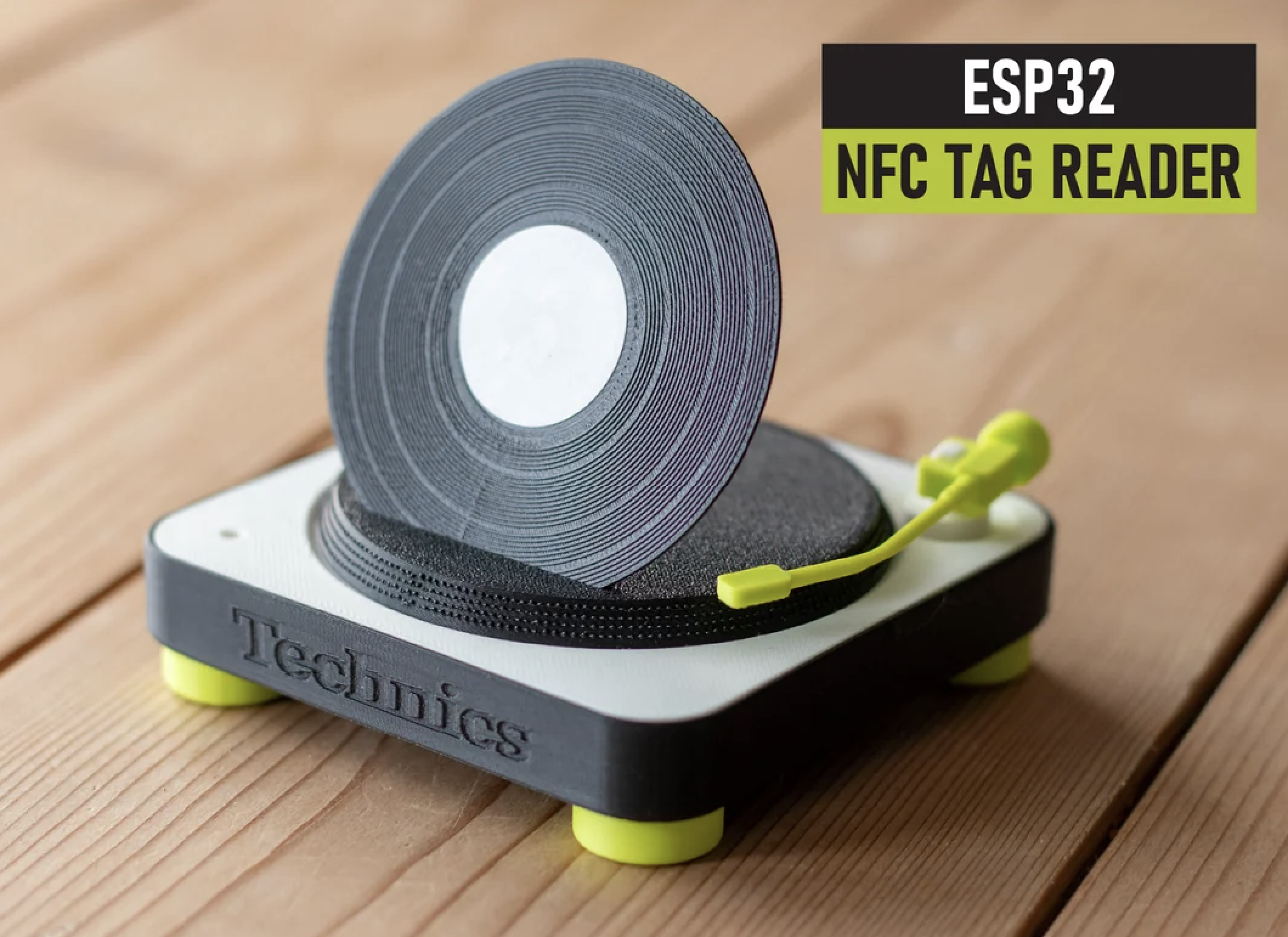
Bring back the tactile joy of playing records! This cute 3D-printed turntable NFC tag reader by geroulas lets you scan vinyl discs (with cover art glued on) to play albums on Spotify through Home Assistant.
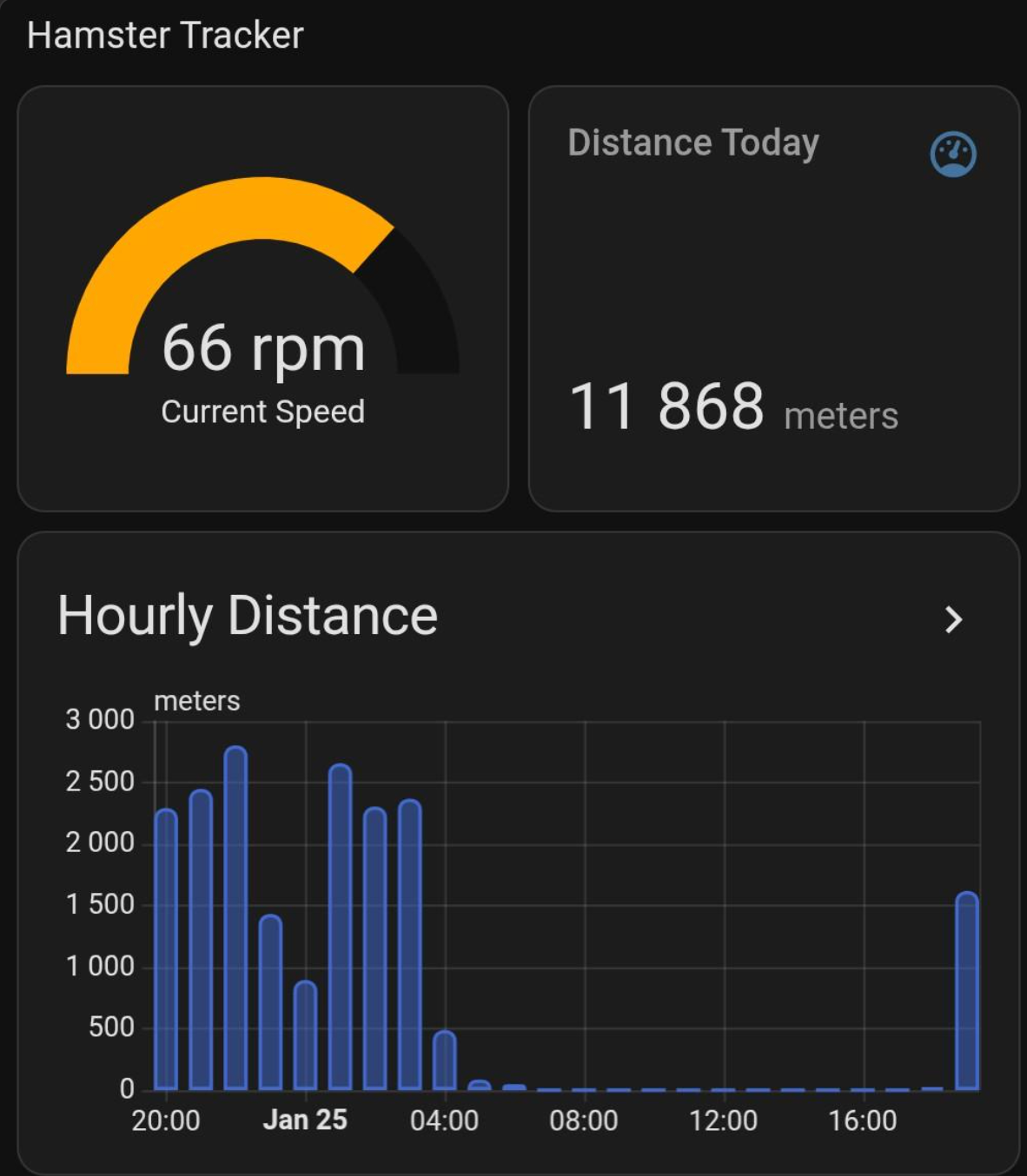
Ever wondered just how fast your hamster is travelling as they whizz round that wheel? Wonder no more with grapefrukt’s hamster tracker.
Enjoy this newsletter?
Support the Open Home Foundation, subscribe to Home Assistant Cloud
Forward to a friend, sharing is caring.
Anything else? Hit reply to send us feedback or say hello. We read everything!
|